Despite progress made over the last few decades by private sector organizations that have tackled corruption and adhered to strong compliance protocols, corruption remains a substantial problem in Bangladesh. While the...
Survey to Identify Corruption Gaps and Improvements in the Transparency of Procurement Processes in the Andean Region Between 2021 and 2022, the Center for International Private Enterprise (CIPE) and Ipsos...
The Importance of Women’s Representation on Boards CIPE’s Center for Women’s Economic Empowerment and partner, the Corporate Governance Center (CGC) foundation in Armenia, collaborated to publish “11 Questions and Answers...
Background on Policy Brief and Assessment: On August 9, the Nigerian Medical Association (NMA), in collaboration with CIPE held a hybrid Public-Private Dialogue (PPD) in Abuja to present the findings...
Executive Summary: Since 2011, the Syrian Civil War has displaced six million Syrians internally and five million externally. Today, 3.6 million of those who fled their country are living in...
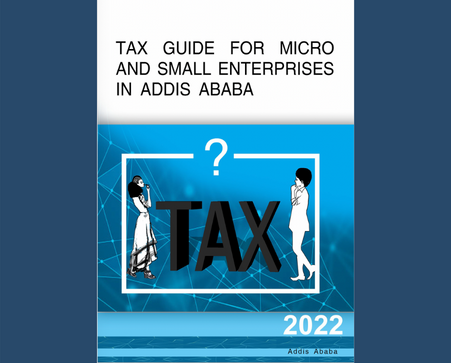
The Taxation Guidebook for Micro and Small Enterprises in Addis Ababa provides an overview of the current tax legislation for Ethiopian micro and small businesses. The guidebook provides an overview...
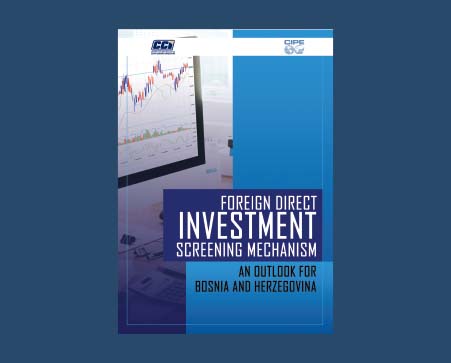
The key objective of this study is to assess the current regulatory framework and national legislations of European Union (EU) member states and certain European countries that are not part...
Bangladesh has a vibrant Small and Medium Enterprise (SME) sector which can be divided into 33 subsectors of products and services. Available data shows that SMEs constitute 50.91 percent of...
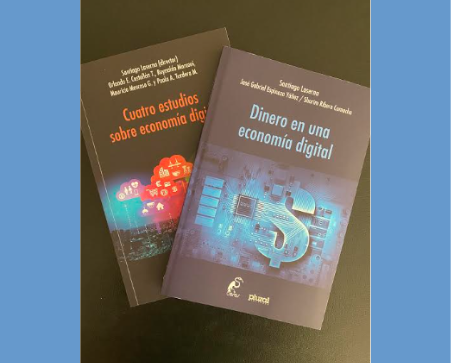
There is a tendency to believe that the Covid-19 pandemic has accelerated a process that was already underway in many parts of the world: the transition to an economy that...
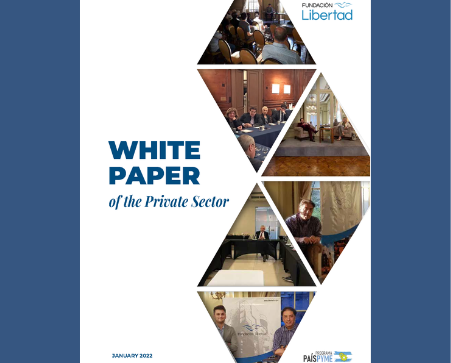
Introduction: Argentine democracy is in a worrying state, and not only because of the weak respect that the current government shows regarding democratic and republican principles, division of powers, regard...