
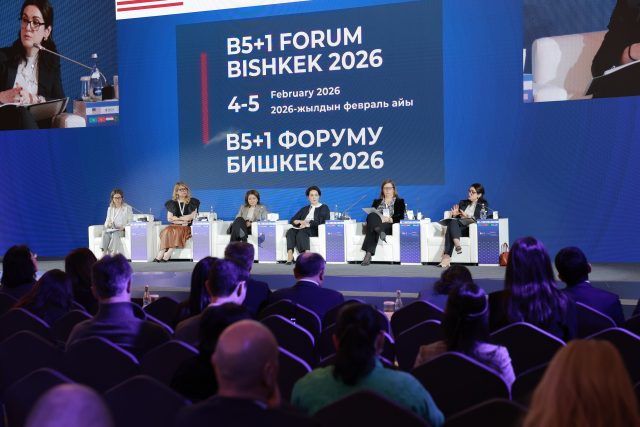
 The Forum reinforced the B5+1’s role as a results-driven platform for translating private sector priorities into practical reforms that support regional economic integration and expand trade and investment with the United States.
Participants advanced Regional Business Agendas that target near-term, actionable reforms, particularly in transport and logistics, e-commerce and IT, finance, and critical minerals, aimed at reducing barriers, improving market transparency, and enabling cross-border commerce. These outcomes reflect growing alignment between Central Asian governments and the private sector on the reforms needed to unlock regional growth and deepen engagement with U.S. companies and investors.
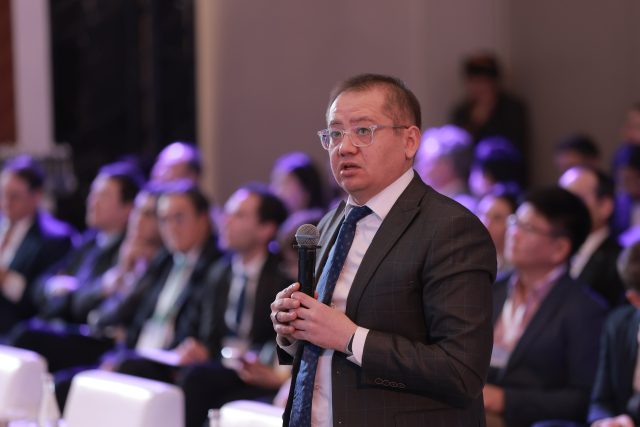 The B5+1 serves as the business counterpart to the C5+1 diplomatic platform, bringing together Kazakhstan, the Kyrgyz Republic, Tajikistan, Turkmenistan, Uzbekistan, and the United States. The February 4–5 Forum convened more than 300 business leaders, investors, policymakers, and experts to identify policy actions that can be delivered in the short and medium term and sustained through continued public-private dialogue.
A Forum Communique presented at the conclusion of the meetings captures these priorities, highlighting opportunities for new investment, market development trends, and policy recommendations that support regional cooperation and U.S.–Central Asia commercial engagement.
From Dialogue to Delivery
Building on progress since the previous B5+1 Forum in Almaty, discussions emphasized implementation and sequencing of reforms rather than agenda-setting alone. Participants reviewed advancements already underway and identified where regional coordination can accelerate results, particularly in trade facilitation, digital connectivity, and regulatory alignment.
Breakout Dialogue: E-Commerce and IT
A dedicated breakout session advanced implementation of the B5+1 E-Commerce and IT Regional Business Agenda through a structured public-private exchange. Drawing on extensive consultations by B5+1 Task Forces, participants identified priority reforms to strengthen digital payments and logistics, harmonize regulatory frameworks, expand SME participation, and support cross-border digital trade.
Discussions focused on which policy recommendations are most achievable in the next 12–24 months, the institutional steps required to implement them, and how national actions can be aligned with regional objectives, particularly in areas such as artificial intelligence, cybersecurity, and digital infrastructure.
Breakout Dialogue: Transport and Logistics
Another breakout dialogue centered on reforms to improve regional connectivity and trade facilitation. Participants addressed digitalization and automation of customs and transit processes, harmonization of transport regulations, infrastructure upgrades, fleet modernization, and workforce capacity building.
Business and government representatives highlighted how fragmented regulations and inconsistent procedures increase costs and delay shipments, identifying opportunities to reduce transit times, improve transparency, and enhance the region’s competitiveness for international trade.
Strengthening U.S.–Central Asia Business Ties
A lightning round of private sector speakers shared practical experience working with U.S. companies and investors across all five Central Asian countries. Speakers highlighted success stories, identified policy and business environment factors that enable cooperation, and pointed to emerging opportunities for partnerships that support regional integration and long-term growth.
Sustaining Momentum Beyond the Forum
 Participants agreed that the depth and focus of discussions demonstrated the value of the B5+1 as a multi-year platform for sustained cooperation. Continued collaboration among governments, businesses, and international partners will be essential to turning agreed priorities into reforms, investments, and partnerships that strengthen regional economic integration and deepen U.S.–Central Asia commercial ties.
CIPE coordinates the B5+1 with support from the U.S. Department of State. Forum outcomes will continue to be shared through CIPE’s website as part of ongoing efforts to advance business-led public-private dialogue across Central Asia.
For more updates on CIPE social media accounts:
Published Date: February 05, 2026