
Making trade simpler, faster, and more secure.
CIPE works alongside local partners in developing countries to build business environments that are fair and stable. Our global network includes organizations representing millions of small and medium-sized companies, as well as governments and think tanks. Together we are overcoming barriers to economic participation, expanding opportunity, and shaping a brighter future. Established in 1983, CIPE is an affiliate of the U.S. Chamber of Commerce, a core institute of the National Endowment for Democracy, and a co-host of the Global Alliance for Trade Facilitation.
Through our public-private partnerships and research, we bring together leaders to discuss local challenges and offer real world solutions. Proven results include streamlined trade, regulatory efficiencies, stronger property rights, increased e-commerce, and more transparent government processes. Working together we are helping communities and countries establish standards, connect reliable business partners, and strengthen the global economy.
Values of local ownership, inclusion, accountability, learning, and innovation guide our core areas of work:
CIPE and partners have played a leading role in helping governments and communities address complex challenges for over 40 years through the creation of business agendas, data-rich resources, and other initiatives. Together we create new models for impactful initiatives that are being duplicated around the globe: effective anti-corruption approaches, accessible women’s business resource centers, practical advice for countries in need of foreign investment, and ways to simplify trade. By innovating around challenges, we are also identifying opportunities and building both economic and democratic resilience. This also reinforces trust in the role of business to be a logistical and strategic problem solver and partner. The timeline below highlights milestones and key moments that have informed work, from its first program in Peru on property rights to current women’s economic empowerment and economic security efforts in the Pacific.

U.S. President Ronald Reagan challenges the free world to “foster the infrastructure of democracy” during his famous “Westminster Speech” to British Parliament. This spurs U.S. bi-partisan efforts to create a National Endowment for Democracy and core institutes, including one with a mission to support economic freedoms through private sector involvement.
The Center for International Private Enterprise is established as an affiliate of the U.S. Chamber of Commerce, with the aim of supporting democratic and economic development abroad through programs with private sector partners, notably chambers of commerce and business associations, as well as think tanks and journalists.

CIPE works with Hernando de Soto’s Institute for Liberty and Democracy (ILD) in Peru to create an economic reform agenda and advocacy campaign. The project helps integrate 300,000 small businesses into Peru’s formal economy and ILD becomes a globally recognized think tank for its work with the informal sector, property rights issues, and democracy. CIPE soon launches dozens of programs with local business organizations in emerging markets and new democracies, including Chile, Guatemala, and the Philippines.

The Berlin Wall falls and CIPE begins work with its first partners in former Communist nations across Eastern and Central Europe. Early efforts include programs in Czechoslovakia after its “Velvet Revolution,” trainings for hundreds of new entrepreneurs in Poland, and work in Romania that informs new measures to enable business. These and other activities aid the development of regional guides and resources as private enterprise becomes legal.
Image Credit: GERARD MALIE/AFP via Getty Images

CIPE debuts Economic Reform Today, a quarterly magazine to assist private and public sector decision-makers and opinion leaders. The magazine is translated and distributed in more than 90 countries, and later takes on a digital format, inspiring many more print and online offerings.
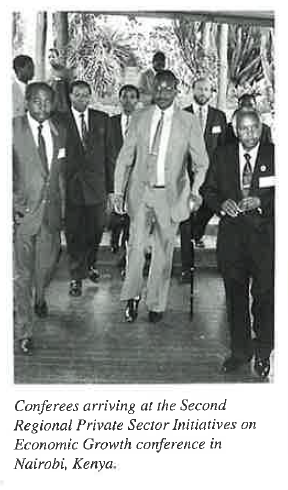
Seven African countries send representatives to a series of public private dialogues and conferences supported by CIPE: Botswana, Kenya, Mauritius, Mozambique, Namibia, Tanzania, and Zimbabwe. And every country implements some economic reforms as a result.
Conferees arriving at the Second Regional Private Sector Initiatives on Economic Growth conference in Nairobi, Kenya.

As the role of civil society becomes increasingly vital to economic and democratic development efforts across Central and Eastern Europe, CIPE continues to work with emerging leaders, advocacy groups, and researchers. Many of the organizations will become leading think tanks in the region.
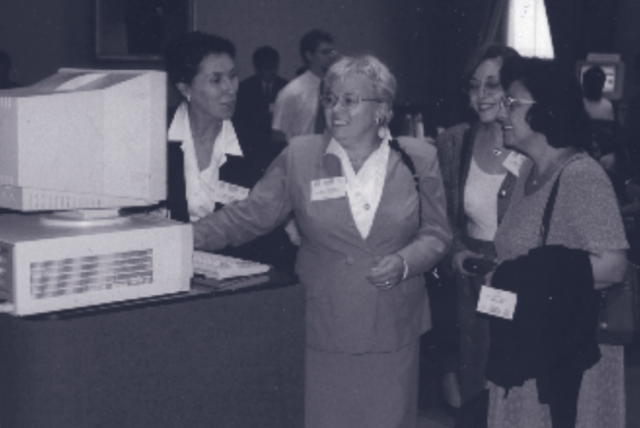
CIPE is recognized by the Financial Times with an award for the Non-Profit Business Web Site of the Year for its content to serve “the specific needs of a closely targeted, but geographically disparate, user community.”

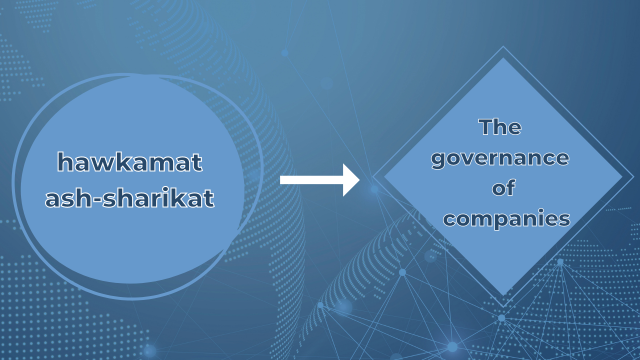
CIPE increases its focus on the role of corporate governance in strengthening democracy, establishing programs and trainings in numerous countries to help companies build effective and transparent boards. CIPE also participates in the establishment of corporate governance principles by the Organisation for Economic Co-operation and Development that eventually become international benchmarks. The work coincides with financial crises in Russia and Asia attributed to corrupt government-business relationships and other issues, such as shifts away from state-owned enterprises.
CIPE participates in the first World Movement for Democracy conference in New Delhi, India and sponsors the first-ever skill-building workshop for Arab journalists in Egypt.
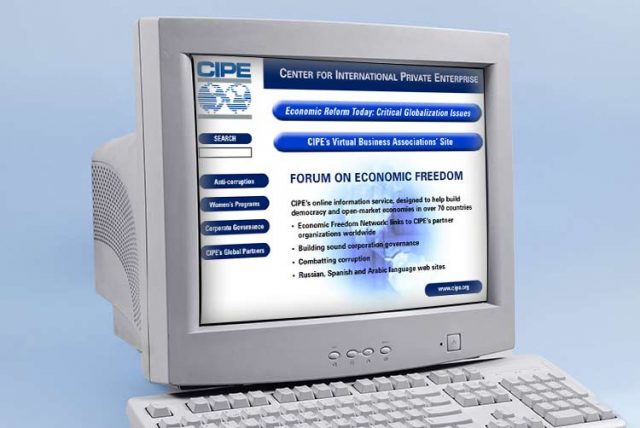
CIPE takes steps to reach new audiences and make resources more readily available with the launch of a Virtual Business Association website, which receives an award from the American Society of Association Executives. A new Arabic language website is designed to support CIPE’s growing network in the Middle East and North Africa.

CIPE takes a leadership role in global pushes against corruption, co-sponsoring an Anti-Corruption Conference with Transparency International and others in Prague, Czech Republic. The following year CIPE, the Carnegie Endowment for International Peace, and local partners hold the first-ever private sector conference in China, with a focus on combating corruption.
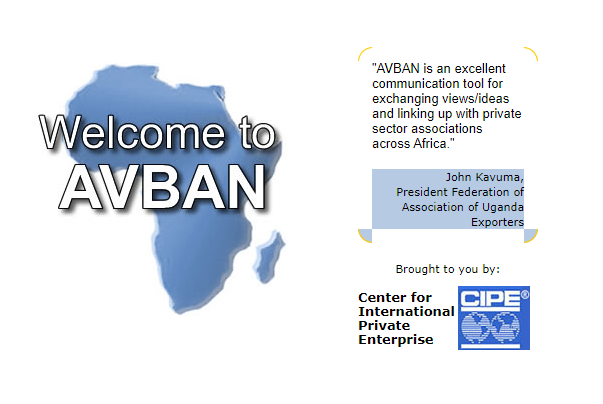
CIPE launches the Africa Virtual Business Association Network (AVBAN) website, which allows the organizations to exchange information, ideas, and best practices in new ways. CIPE and the Dhaka Chamber of Commerce and Industry in Bangladesh publish the first Women Entrepreneurs Directory to raise the profile of women-owned firms in the marketplace.
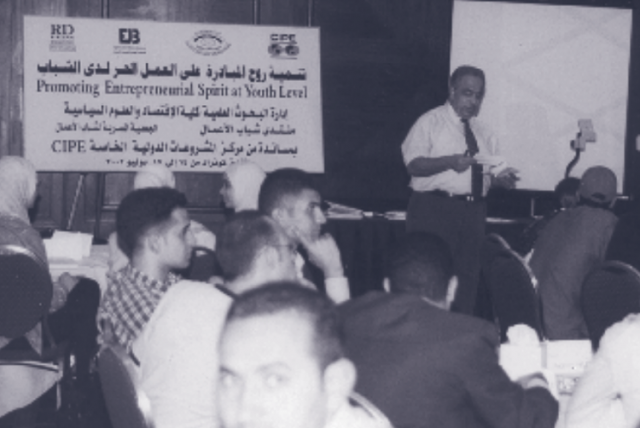
CIPE grows its efforts to amplify the voice of young people and emerging leaders in decision-making, as well as encourage future business leaders. This includes programs in Peru, Afghanistan, and Egypt.

CIPE carries out more than 100 programs worldwide and many gain widespread attention. The CIPE-supported Addis Ababa Chamber of Commerce is named the “African Chamber of the Year” by the Broadcasting Network of Africa for its radio show on business issues.

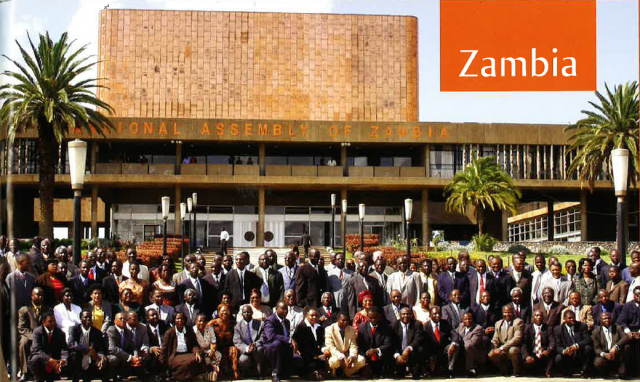

CIPE launches a Democracy That Delivers conference series to reinforce the concept and helps the Bangladesh Women’s Chamber of Commerce and Industry create the first known Women’s National Business Agenda. Among the results: more women receive commercial bank loans to start businesses and serve on the boards of state-run banks.
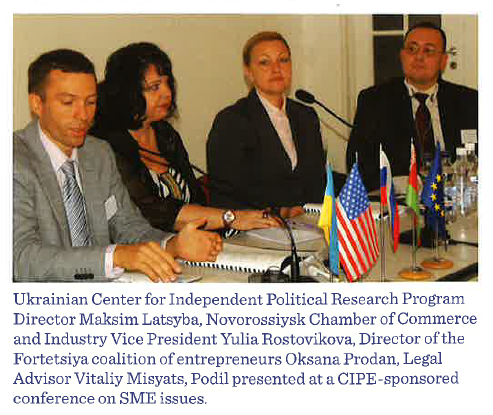
CIPE assists in the establishment of the All-Ukrainian Coalition of 22 business associations, which organizes a 12-day seminar series to address topics such as new legislation, budgeting, fiscal management, communications, and advocacy.

CIPE partners with the Thai Institute of Directors to develop an anti-corruption effort that focuses on the supply side of corruption. The coalition includes more than 400 local and multinational member companies representing nearly 20% of Thai gross domestic product.
The Free Enterprise and Democracy Network (FEDN) is established by CIPE to provide a mechanism for private sector leaders and advocates of economic freedom to exchange ideas and support and make the case for democratic, prosperous societies.
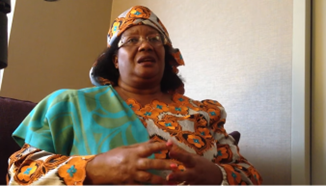
Women’s regional business networks in Africa continue to grow with support from CIPE. Dr. Joyce Banda, the founder of the National Association for Business Women and a former CIPE partner, becomes Malawi’s first woman president and gains international attention.
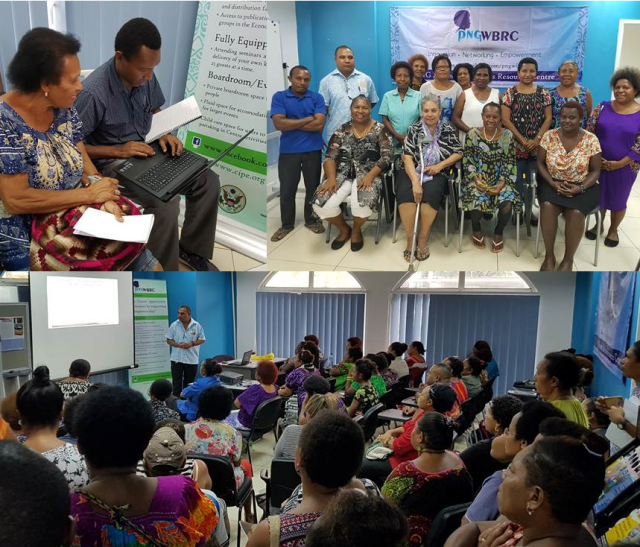
CIPE launches an initiative in the largest Pacific island country, Papua New Guinea, to help empower women economically and create a women’s chamber of commerce.
Future efforts will include business training programs with local universities and the opening of a Women’s Business Resource Center that serves thousands.


CIPE leads and participates in numerous events worldwide to share evidence-based approaches and tools to aid democratic and market-oriented reform. Among them: an International Property Markets Scorecard to gauge laws around property rights in emerging markets, including many African countries. The materials are utilized by numerous audiences, including university urban planning classes.

At the height of the global refugee crisis, CIPE and international partners start the Livelihoods Innovation through Food Entrepreneurship (LIFE) Project, which supports and encourages entrepreneurship, job creation, and cross-cultural engagement in the food sector in Turkey. With CIPE’s first-ever funding from the U.S. Department of State’s Bureau of Population, Refugees and Migration, the project established the first food business incubators in Turkey, where refugees and members of the host communities start and scale successful food businesses.

At a Capitol Hill event, experts introduce the concept of “corrosive capital,” foreign investment that exploits governance gaps in recipient countries and weakens democratic institutions. This coincides with the publication of case studies from dozens of countries and key recommendations. The corrosive capital term catches on and becomes widely used in many circles.
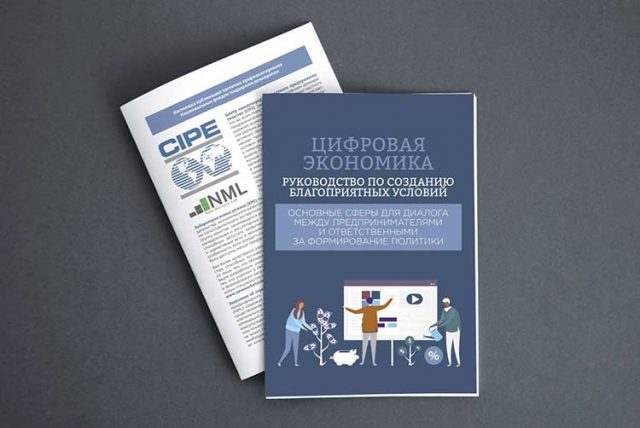
A free, interactive digital economy guidebook developed by CIPE and New Markets Lab is translated into numerous languages for use globally by small and medium size businesses. It includes easy to understand explanations around electronic transactions and cybersecurity issues. More online modules follow and some are adopted by governments to boost economies.
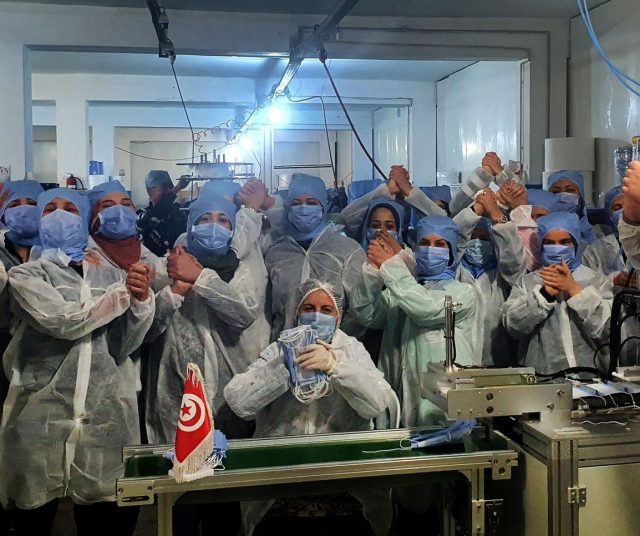
CIPE and partners worldwide help communities solve new social and economic problems amid the COVID-19 pandemic. Organizations lend expertise and resources to address everything from medical supply chain issues to street sweeping and proposed economic plans. CIPE publishes a COVID recovery roadmap e-book with the Diplomatic Courier.
The Ethics 1st program launches in Africa, a robust initiative to inform companies on universal business standards and pathways to demonstrate compliance to potential investors. Initial efforts focus on Kenya and Nigeria.

A wide range of donors directly support our efforts, including the United States government and many others, as well as multi-national firms.