



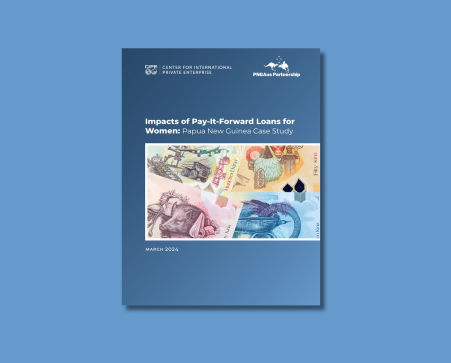
What's New
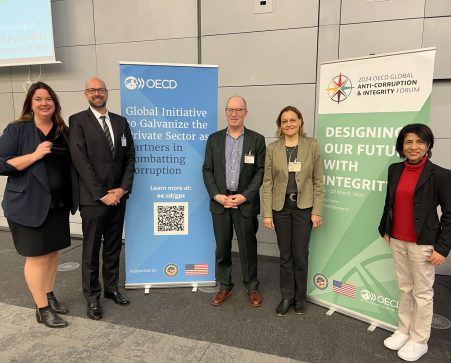
Enthusiasm for Private Sector Anti-Corruption Reform in Paris at GACIF 2024
Anti-Corruption Efforts in the Private Sector
An important benchmark in the anti-corruption field is the extent to which the private sector devotes effort, expertise, and resources to drive company-level anti-bribery programs as well as external initiatives to push back against the pernicious effect...

Resilience and Reform: Ukraine’s Journey Through Crisis and Recovery
The full-scale Russian invasion of Ukraine on February 24, 2022 profoundly changed the lives of Ukrainians. In the face of advancing Russian troops and relentless bombardments, many were forced to abandon their homes, seeking refuge either in other regions of Ukraine or abroad. This upheaval led to ...

B5+1 Takes New Steps To Accelerate Central Asia’s Economic Integration
The CIPE-led B5+1 Forum is emphasizing five priority industries and concrete actions needed to accelerate regional integration and economic development in Central Asia.
B5+1 is the business counterpart to C5+1, the diplomatic platform for Central Asia countries (Kazakhstan, Kyrgyz Republic, Tajikist...
Centers of Excellence




Where We Work
-
Learn More
The Center for International Private Enterprise (CIPE) is a global organization that works to strengthen democracy and build competitive markets in many of the world’s most challenging environments. Working alongside local partners and tomorrow’s leaders, CIPE advances the voice of business in policy making, promotes opportunity, and develops resilient and inclusive economies. Areas of focus include democratic governance, business advocacy, anti-corruption, trade facilitation, women’s economic empowerment, and youth initiatives. Over CIPE’s 40-year history, these initiatives have created opportunities for citizens in almost every country in the world. Many programs have become models for others to drive economic growth and raise public awareness. CIPE is currently active in more than 100 countries, including Ukraine, the Philippines, Colombia, Sudan, Egypt, and Yemen. A wide range of donors directly support these efforts. CIPE is a core institute of the National Endowment for Democracy, a non-profit affiliate of the U.S. Chamber of Commerce, and leader of the Global Alliance for Trade Facilitation.
-
Learn More
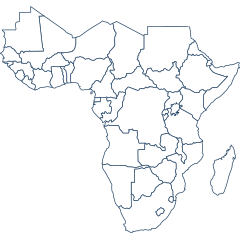
Through dialogue, collective action, and collaboration with government and civil society, the private sector is helping to build the institutions that will allow democracy to flourish in Africa.
-
Learn More
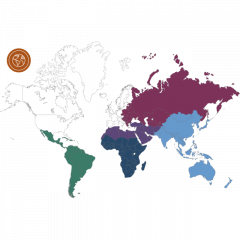
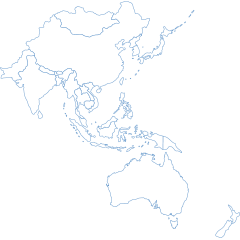
In Asia and the Pacific, CIPE works to promote democratic societies and private sector-led economies, to strengthen civil society, and to cultivate public demand for good governance and political accountability.
-
Learn More
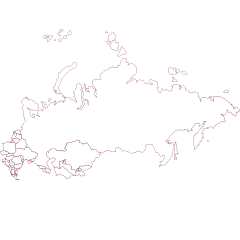
The Europe and Eurasia Department at CIPE assists, enables, and supports partners to engage in public-private dialogue and cooperation among the private sector, government, and civil society.
-
Learn More
CIPE’s Global programs help private sector bolster public confidence in the democratic and market institutions by reaffirming fundamental values, strengthening mechanisms of transparency and integrity, connecting networks of reformers, and exploring innovative responses to new challenges.

-
Learn More
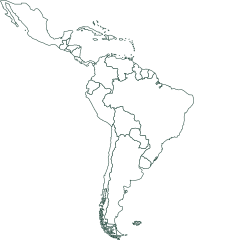
CIPE’s programs in Latin America and the Caribbean focus on mobilizing the private sector to strengthen democratic institutions and address key public policy issues related to corruption, citizen insecurity, and lack of economic opportunities.
-
Learn More
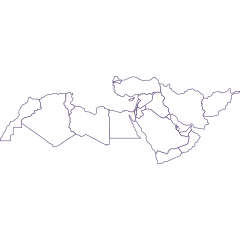
The hope and promise of the Arab Spring uprisings have given way to resurgent authoritarianism and violent conflict. Weak governance and inadequate economic opportunities fuel dissatisfaction, stoke unrest and add to the appeal of extremism.
CIPE Initiatives







Partner with Us
There are many ways to support our work, collaborate with CIPE, or become a CIPE Partner.
Learn More
Receive Updates & Newsletters
Stay up to date on all the latest news, events, articles and announcements from CIPE.
Learn MoreNews & Mentions
- Crean iniciativa para incentivar la resiliencia climática en mipymes dirigidas por mujeres en Tijuanaon April 17, 2024 at 8:33 am
- Fijian MSMEs get a boost with CIPE partnershipby Story By: on April 12, 2024 at 12:40 am
- IFAC Accelerates Engagement on Anti-Corruption and Anti-Money Laundering at Key Global Forumson April 10, 2024 at 8:00 am
- WCIC Women Leadership Forum 2024 – Makes Waveson April 9, 2024 at 10:57 am
- IACE and CIPE launch call for Applications for creation of Digital Content on economic subjectson April 5, 2024 at 12:46 pm